


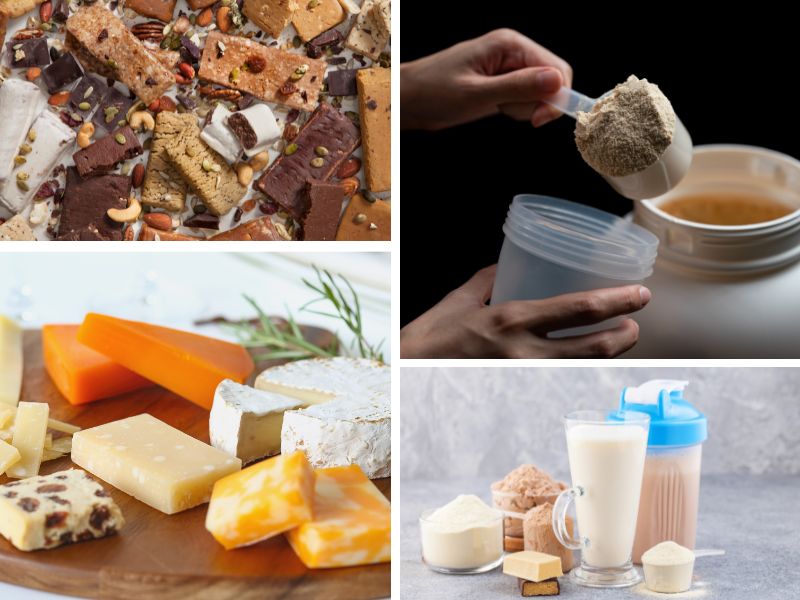
Today, high-protein foods are one of the fastest-growing segments of the food industry. From protein bars, ready-to-drink protein shakes, fortified yogurts, nutritional snacks, and protein powders, it’s a long list. However, manufacturers often face a challenge during product development as food colour that performs well in standard formulations may fail in high-protein products. Also, consumers want both a nutritious product and a visually appealing look.
If you are a manufacturer of protein-rich food products and facing colour fading, uneven shades, or unexpected colour changes, you are not alone. In this article, we are going to explore the real reason behind why some food colours fail in high-protein food products, how you can prevent it with your formulations, and reduce costly reformulation, so please stay with us.
Why Do Food Colours Behave Differently in High-Protein Foods?
Protein creates a unique environment in food products and because of this, the colour of the product is influenced. Unlike products that mostly contain carbohydrates or fats, protein-rich products often have different pH levels, processing conditions, and ingredients, which may affect the stability of the products.
Some common reasons include:
Protein and Colour Interactions
In products, the protein binds with certain food colour molecules that reduce the intensity of colour or change the final appearance of the products. This effect becomes more noticeable in products with high protein concentration.
Heat Processing
Many food products that have protein undergo pasteurization, sterilization, baking, or extrusion at high temperatures that may reduce the stability of colour in products, which leads to colour fading or shade variations during production.
pH Variations
The pH level of protein beverages, dairy products and nutritional supplements can differ, which impacts the performance of food colours. The same colours appear different in another formulation.
Storage Conditions
Protein products are often stored for long periods. And from this period of time, the products come into contact with light, oxygen and fluctuating temperatures that gradually affect colour consistency throughout the product's shelf life.
Common Colour Problems in High-Protein Products
Manufacturers commonly report some problems with high-protein products such as:
- Colours fade after heat processing
- The distribution of colour on products is uneven
- The shade of the colour is changed during product storage
- Colour variation from batch to batch
- The brightness of the final products is reduced
These types of challenges can impact the product appearance, customer satisfaction and brand consistency.
How Manufacturers Can Improve Colour Performance
Fortunately, manufacturers can minimize many colour-related problems by only using the right colour in their products.
Select Colours Suitable for High-Protein Applications
Not every food colour performs equally well in all protein-rich formulations. You should choose the right colour that is compatible with your product’s ingredients and processing conditions which can improve stability and visual appeal of the product.
Test Colours Under Actual Production Conditions
Check the colour performance under actual manufacturing conditions such as heating time, mixing speed, and filling temperature. This helps you to achieve better results in the final products.
Evaluate pH Before Finalizing the Formula
Test the colour performance across your product’s pH range before finalizing it for large-scale production. This test helps you to get the exact colour shade you want, and do not fade or change over time.
Ensure Proper Colour Dispersion
Always ensure that the colour is properly mixed with the formulation or not. Following the recommended dissolution and mixing procedures correctly can help you to achieve a more consistent appearance.
Conduct Shelf-Life Studies
Check how long the colour is stable on the products and in which conditions it changes or fades. This may help you to understand the issue so you can solve it before the product reaches the market.
Choosing the Right Synthetic Food Colour Matters
For manufacturers who are producing protein-rich food products, selecting the right colour is important as selecting flavoring or stabilizing agents. They can source these colours from a trusted synthetic food colour manufacturer in India like Ajanta Food Colours.
To consistently produce protein-related food items with visually appealing colours, it is essential to use premium quality colour that ensures maximum colour strength, uniformity from batch to batch and visually appealing products. This not only improves the quality of products but also helps you to reduce production delays and re-formulation costs.
Final Thoughts
As we discussed in this article, high-protein food products have unique formulation challenges. By understanding these challenges and how protein, heat, processing conditions, and different pH levels can influence food colour in products, you can make better formulation decisions and achieve more consistent product appearance.
Whether you are developing a protein drink, nutritional supplement, or fortified snack, the right synthetic food colours can help you to create visually appealing products that attract the attention of customers and boost product sales.