


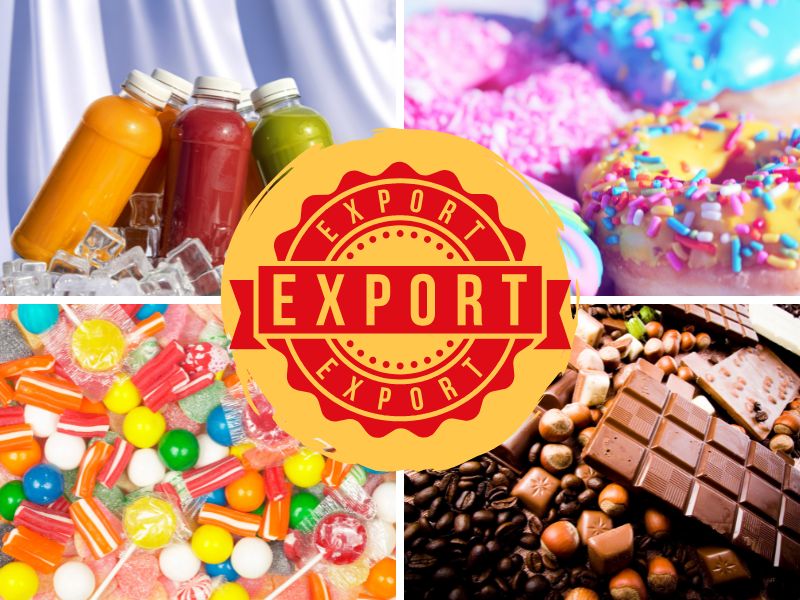
Manufacturers exporting food products to international markets often face several challenges, many of which are related to colours. Colour plays a crucial role in making the products visually appealing for customers, which attracts their attention and boosts product sales. To maintain this visual appeal for a long time on product manufacturers use synthetic food colours in their products. However, there are many restrictions on colour, and they mostly impact during product export. Manufacturers should make sure of all the things while exporting their products.
In this article, we look at common challenges manufacturers face when exporting products that use synthetic food colours and how to overcome them for a smooth export process.
Different Country Regulations for Synthetic Colours
One of the biggest exporting challenges for food manufacturers is maintaining the regulations on food colour for each country, because every country has its own set of regulations on synthetic food colours. A colour that is approved to use in one market may be restricted or completely banned in another market.
For example, a synthetic food colour that is allowed to be used in snacks or beverages in the United States may be banned in the European or regional markets. Food manufacturers must check the approved colour list, dosage limits, and which product colour is approved to use before manufacturing or exporting their products.
If the manufacturers ignore these rules, it often leads to shipment rejection or costly reformulation.
Compliance Issues During Export Clearance
Food products that contain synthetic food colours must meet the food additive compliance requirements of the country where they will be exported. This export compliance involves more than taste and packaging. Authorities also check that the colours are approved and used within a permitted limit.
Manufacturers who are exporting colour-rich products that include confectionery, beverages, bakery items, and instant foods must ensure their formulations meet the international food safety laws.
Labelling Challenges for Exported Food Products
Labelling on the product sometimes creates a major issue for food manufacturers using synthetic food colours. Labels on the exporting products must clearly mention the synthetic food colour used in the products as per local regulations. Many export problems occur due to:
- Incorrect colour names on labels
- Missing regulatory codes
- Labels not translated into local languages
Improper labeling on products may delay customs clearance or lead to product rejection for export.
Quality Testing and Product Rejection Risks
Country that import food products also checks the quality of synthetic food colours in their laboratories. If the country’s authority found that the colour intensity, purity, or composition does not match the regulations, the product may fail the quality checks and be rejected.
A slight colour difference in the product can raise issues. This makes it very important for manufacturers to use high-quality, consistent, and reliable synthetic food colours in their formulation so that they can pass the quality tests and export their products without any tension.
Market Perception and Buyer Requirements
In certain overseas markets, buyers are highly health-conscious, and when it comes to products that use synthetic food colours, they require clear information about the ingredients and colours used. That is why retailers demand proper safety documentation, accurate labelling, and detailed colour information for food products.
Manufacturers that are exporting food products to those markets must prepare all the documents to explain why synthetic food colours are best for food products and how safety standards are maintained.
Cost Impact of Reformulation and Compliance
When the export regulations on colour are changed, food manufacturers may need to reformulate the products that use synthetic food colours. This may increase the production cost, testing expenses, and also delay approval time.
This becomes a big problem for manufacturers that export large volumes or multiple products to the international market.
How Manufacturers Can Reduce Export Challenges
Food manufacturers that are using synthetic food colours in their products may reduce the export risks by:
- Proper understanding of colour regulations for the targeted audience
- Source colour from a reputed colour supplier
- Maintain accurate formulation records
- Ensure proper labelling on products
- Always test products before shipments
By sourcing synthetic food colour from a reputed and trusted synthetic food colour manufacturer like Ajanta Food Colours, a leading synthetic food colour manufacturer in India with over 75 years of legacy, with proper planning ahead, manufacturers can avoid export delays and financial losses.
Ajanta Food Colours offers a wide range of high-quality food colours and exports them across the world. The company offers colours that are approved by various governmental bodies around the world, such as the US Food and Drug Administration (FDA), the European Food Safety Authority (EFSA), and the Food Safety and Standards Authority of India (FSSAI). These internationally approved colours offered by Ajanta Food Colours reduce the chances of product rejection during exports.
Conclusion
Products that use synthetic food colours require careful compliance with international regulations while exporting. Most of the export challenges happen with regulatory differences from market to market, labelling errors, quality testing failures, and changing market requirements.
Manufacturers who understand these challenges and use premium quality food colour in their products can continue exporting successfully while maintaining product quality and visual appeal.