



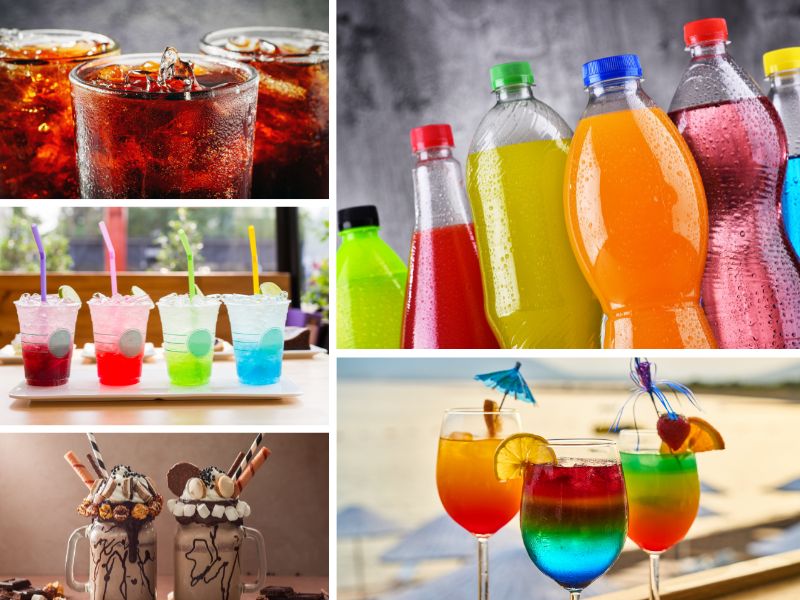
In today’s highly competitive beverage market, the appearance of the beverages is as important as their taste. When any customer picks up a bottle of soda or a fruit drink, the first thing they may notice is its colour, and that visual appeal of the beverage plays a huge role in influencing the buying decision of the customers. This is why choosing the right food colour for manufacturers has become essential, whether you are manufacturing soft drinks, carbonated beverages, or sports drinks. In this article, we are going to talk about the importance of food colour in beverages, and some other challenges that beverage manufacturers often face, so please stay with us.
Why Food Colours Are Important in the Beverage Industry
In the beverage manufacturing industry, colours are directly linked to the consumer’s expectations. A lemon drink is expected to have a light yellow tint, while cola drinks require a rich brown shade.
Using the right food colour for beverage industry applications helps in a range of benefits that include:
- Enhancing beverage product appearance
- Creating a strong shelf life
- Maintaining colour consistency in beverages
- Improving brand recognition in the market
- Improving perceived flavour experience
This is why food colours are not optional for beverage manufacturing its essential as other ingredients used in the beverage.
Common Colours Used in Soft Drinks and Carbonated Beverages
There are a variety of colours used in soft drinks and carbonated drinks, and the colour used in beverages depends on their types such as:
Cola Drinks
To achieve its signature look, cola beverages typically rely on deeper shades. A stable food colour for cola drinks is important to maintain that rich appearance even under carbonation and storage conditions.
Fruit Beverages
In fruit beverages, vibrant tones are demanded as they instantly reflect the flavour. Some of the commonly used colours in fruit beverages include:
- Tartrazine colour for soft drinks (yellow)
- Carmoisine food colour (red)
- Ponceau 4R food colour (bright red)
These colour shades are widely used in the fruit-based drinks because of their ability to deliver brightness and consistency.
Soda Drinks
Clear or lightly tinted sodas require highly soluble beverage colourants that blend smoothly without affecting the soda’s clarity.
In all the categories of beverages, synthetic food colours are mostly used because they provide a vibrant colour, strong performance, and reliability.
Why Synthetic Food Colours Are Preferred
Most of the beverage manufacturers rely on synthetic food colours to achieve a vibrant and appealing colour that does not fade or change under various conditions, which is not possible with natural food colours.
Benefits of Using Synthetic Colours for Beverages Production:
- These colours offer the best solubility in the beverage formulations
- It provides excellent colour stability in all types of beverages
- They help in maintaining the uniform colour shades across batches
- Synthetic food colours are the cost-effective option for bulk production
- They offer better resistance to light, heat, and acidic conditions
Because of these benefits, global beverage producers use synthetic food colours in their formulations and work closely with experienced synthetic food colour manufacturers who understand all the technical requirements of modern beverage formulations that help them stand out in the competitive market.
Beverage brands frequently rely on trusted companies like Ajanta Food Colours, a leading synthetic food colour manufacturer in India with over 75 years of legacy in the field. Big beverage companies are turning to Ajanta Food Colours for a dependable source of large-scale colour needs.
Key Factors to Consider When Choosing Beverage Colours
Finding the right food colour for your drink is not as simple as you think. Maintaining the visual appeal of the beverage involves a range of things that include:
pH Stability of Food Colours
If your drink is acidic (like most soft drinks), the colour needs to stay stable, or you’ll end up with odd colour changes over time.
Colour Stability in Carbonated Beverages
Carbonation can mess with the look of your drink. Using colours that offer good stability in carbonated beverages ensures that the beverage looks the same throughout its shelf life.
Solubility
Proper solubility of colours is essential, especially in beverage formulations. High solubility of beverage colours ensures that the colour of drink mixes properly without leaving any residue at the bottom.
Light and Heat Resistance
Behind the fading of any beverage colour, the most common reason is exposure to light. This is why the colour of beverages often fades during storage and retail displays when it comes into contact with the light.
Ingredient Compatibility
Always ensure that the colour used in beverages is compatible and works well with flavours, preservatives, and sweeteners.
That’s why it’s smart to work with an experienced colour supplier. They’ll help you pick colours that actually fit your product and production needs.
Why Do Food Colours Fade in Beverages?
Colour fading is a headache for a lot of beverage makers, whether you’re dealing with sodas, energy drinks, juices, water, or alcohol. Here’s what usually causes it:
- Sunlight or UV exposure
- Low-quality or unstable colour additives
- Poor pH stability
- Ingredients that react with the colouring
The fix? Use colour solutions that have been tested for stability under real-world manufacturing and storage conditions.
How to Choose the Best Food Colours for Beverages
Manufacturers who are wondering how to choose the right food colour for their beverages such as soft drinks or carbonated drinks, the answer is that they maintain a balance between appearance and performance.
Here are a few practical considerations:
- Choose the colours that have strong colour stability in all kinds of beverages
- Ensure colour compliance with global food safety standards
- Match colours with expected flavour perception
- Source quality beverage colourants from a trusted food colour supplier
- Conduct small trials before finalizing the colour for use in large-scale manufacturing
The best food colours for beverages are those that maintain their brightness, consistency, and stability from production to consumption.
Meeting Bulk Demand in the Beverage Industry
Demand in beverage production keeps rising, so manufacturers need bulk food colours that hold up from batch to batch. Trusted suppliers are essential here. Established names like Ajanta Food Colours deliver:
- Consistent quality in every colour batch
- Enough capacity for large orders
- Custom colour solutions for bulk orders
- Industry-approved additives for every type of drink
- Solid technical support
This kind of partnership helps beverage brands keep quality steady even as they scale up.
Final Thoughts
Food colours do much more than just make drinks look good. They shape how consumers perceive a product, set the brand apart, and affect how well it sells. From keeping soda colours consistent to making sure carbonated drinks look vibrant over time, picking the right colour really matters.
Having a partner like Ajanta Food Colours makes it easier—they handle the details, so you end up with vibrant, stable drinks that live up to your brand’s promise, batch after batch.